1. Manufacturing Equipment Upgrades
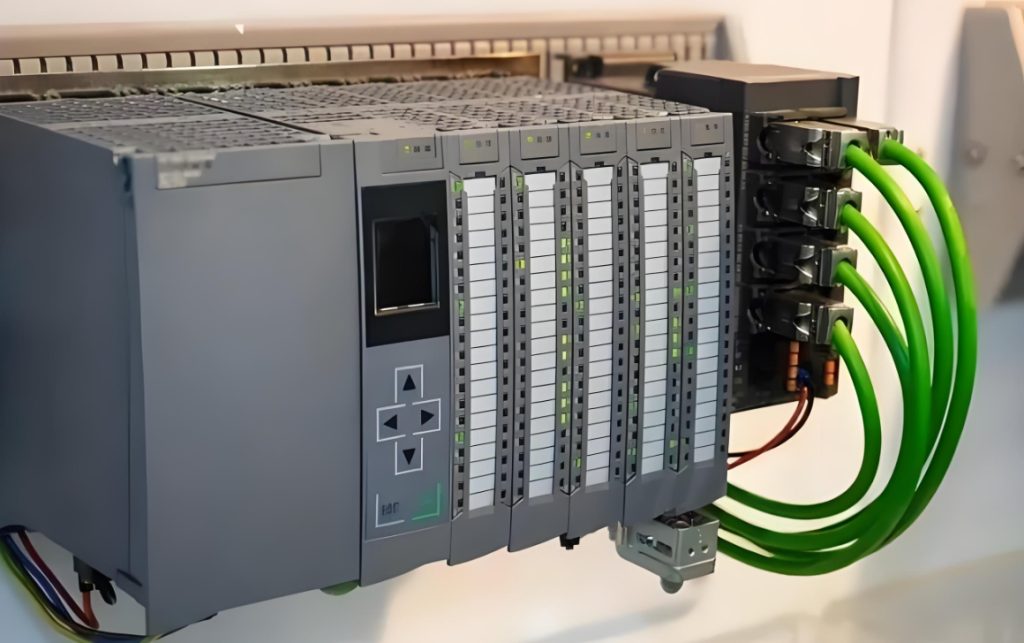
- Scenario: An automotive parts manufacturer plans to upgrade its production line from S7-300 to S7-1500 PLCs, requiring disposal of 200 obsolete units.
- Solution: The recycling provider conducts batch testing to identify 50 refurbishable modules. These are restored to 80%+ original performance and resold at 60% of market price to small-to-medium projects. The remaining devices are disassembled for precious metal recovery, reducing the client’s upgrade costs by approximately 18%.
2. Compliance-Driven Disposal in Data-Sensitive Industries
- Scenario: A chemical enterprise needs to retire PLCs controlling toxic emission systems, fearing data leaks could trigger legal liabilities.
- Solution: The recycler implements dual data destruction via on-site degaussing and physical shredding, issuing certification of data clearance. Assistance is provided for environmental bureau filing to ensure full regulatory compliance.
3. Cross-Regional Asset Disposal for Multinational Corporations
- Scenario: A foreign-invested company shuts down its Chinese factory, requiring recycling of 3,000 PLCs across multiple locations.
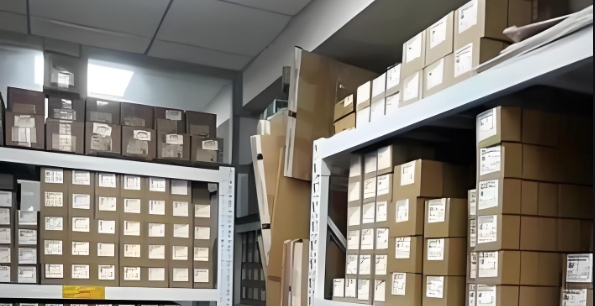
- Solution: The recycler leverages a national warehouse network for centralized collection. Units are categorized by model: some are refurbished for export to Southeast Asian markets, while others undergo material recovery. This approach maximizes residual asset value through tiered utilization strategies.
Key Translation Notes:
- Technical Precision: Terms like “S7-300/S7-1500” (Siemens PLC series), “degaussing” (消磁), and “residual asset value” (资产残值) are retained to maintain industry specificity.
- Process Clarity: Active voice (“conducts batch testing,” “implements dual data destruction”) emphasizes agency and procedural steps.
- Metric Consistency: Percentage values (“60% of market price,” “80%+ original performance”) and cost savings (“18%”) are preserved for quantitative credibility.
- Regulatory Context: “Environmental bureau filing” (环保部门备案) reflects China’s administrative requirements, ensuring cultural relevance.
This structure balances technical detail with readability, aligning with global industrial recycling standards while addressing localized operational realities.